

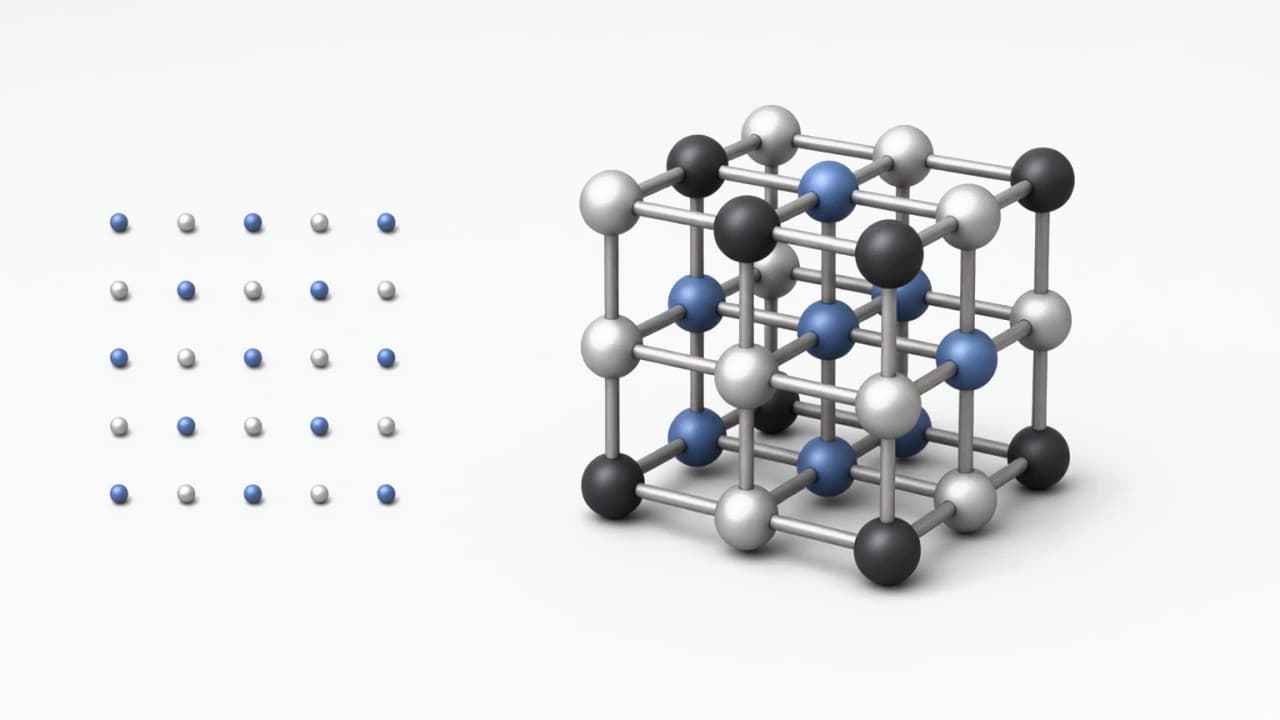
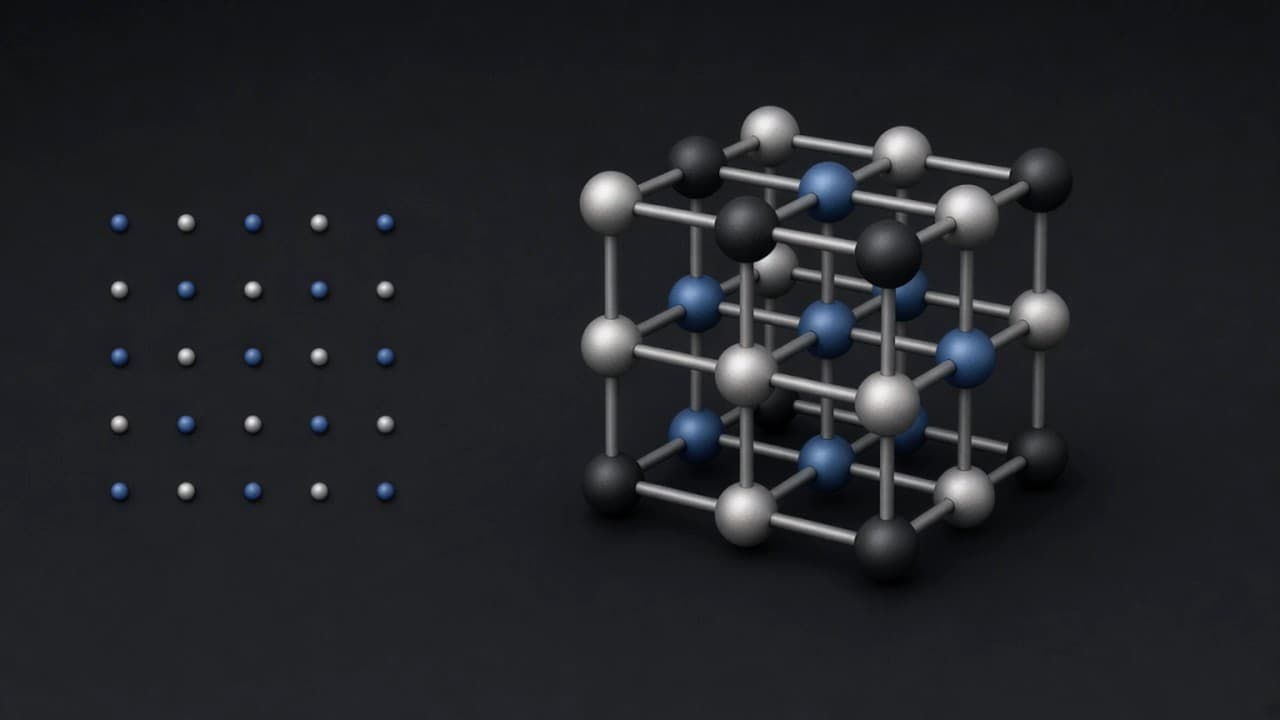
A breakthrough in materials discovery
Search in bits. Build in atoms.
Name what the material must do. MS Lattice builds the crystal.
We sealed the answers away and gave it nothing but the brief. It found both, down to the arrangement of their atoms. In 32 minutes. For under 20 cents.
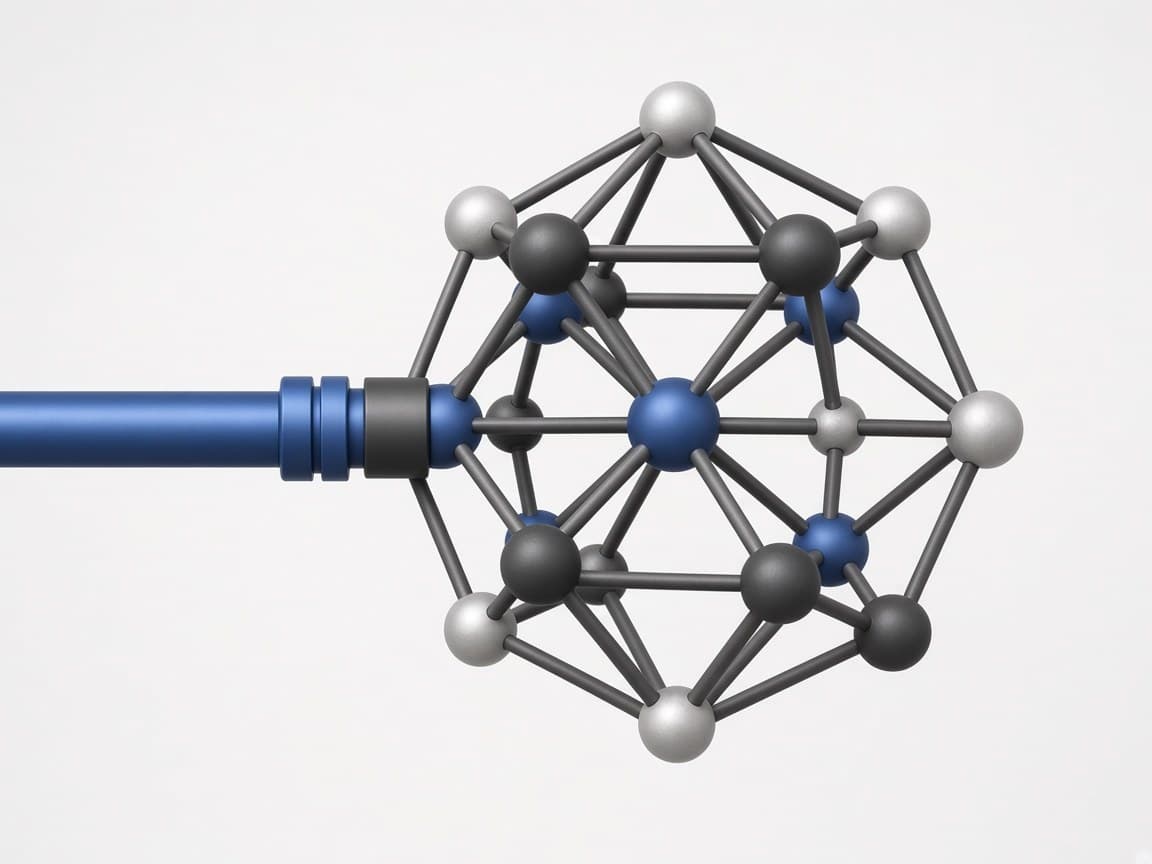
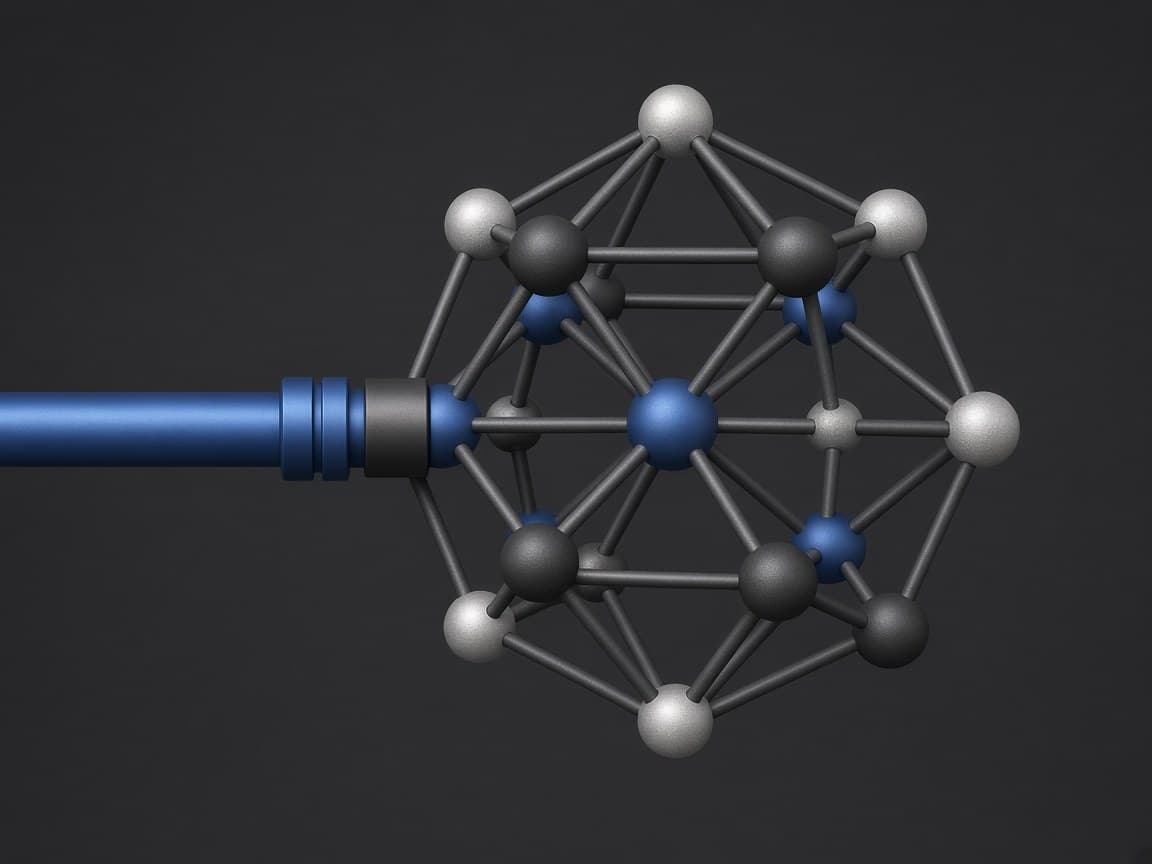
Your AI agent just became a materials scientist.
MS Lattice is the engine. Your AI agent is the driver. Connect once and your agent can find, compute, verify and prove real materials. Without MS Lattice, an agent can talk about materials. With it, it can discover them.
- tools, one connection
- 120
- for an agent’s whole journey, from need to proof
- 5 min
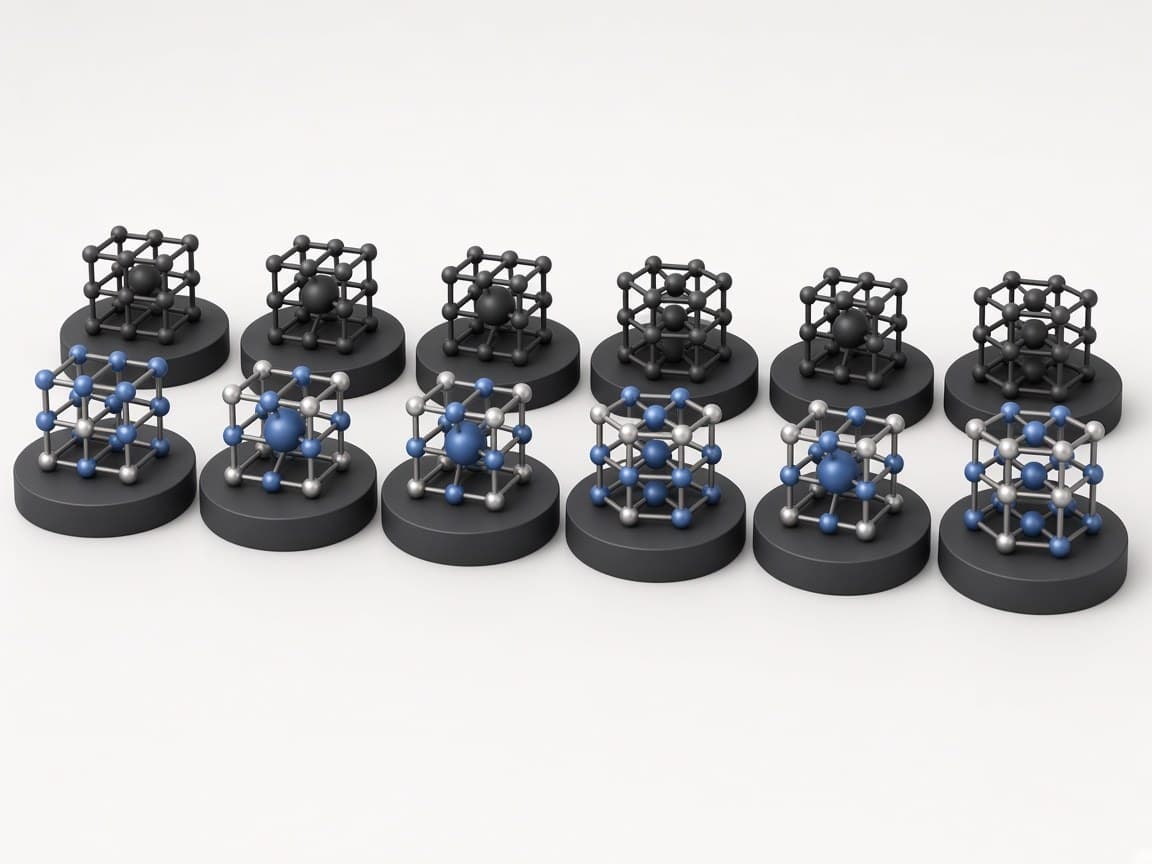
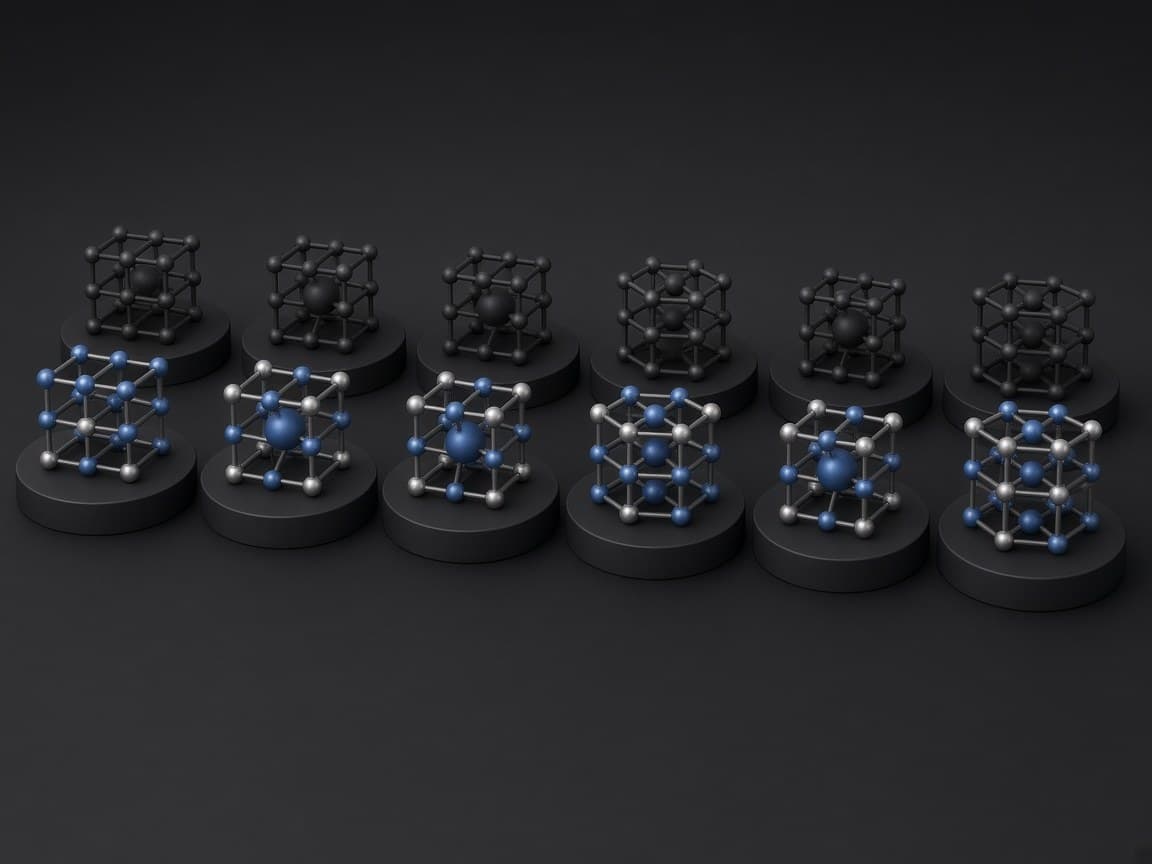
We hid the answer. MS Lattice found it anyway.
Two ultra-high-temperature ceramics, sealed away while it searched. Both found, down to the arrangement of their atoms. Four compounds it had never seen, CaO, SrF₂, BaTiO₃ and Ni₃Al, rebuilt to within a few hundredths of an ångström.
- candidates
- 64
- of compute
- 32 min
- for the whole run
- < $0.20
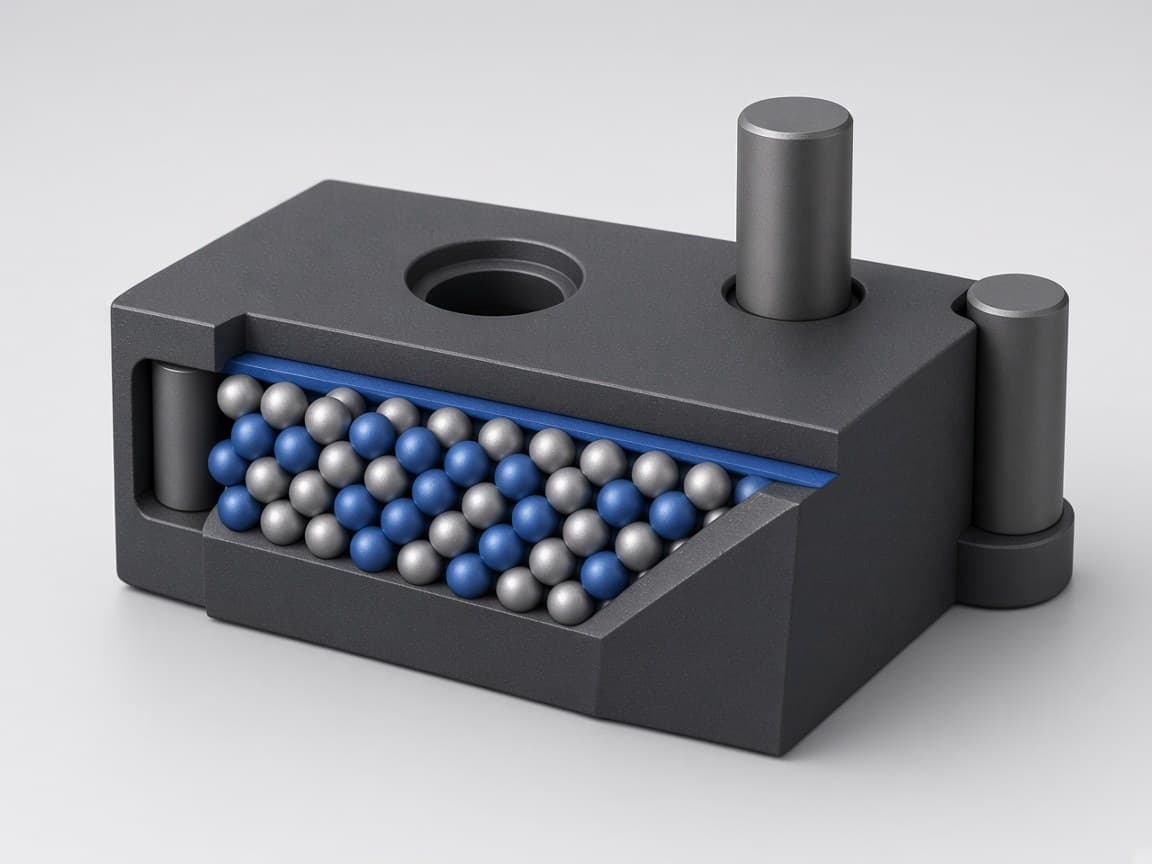
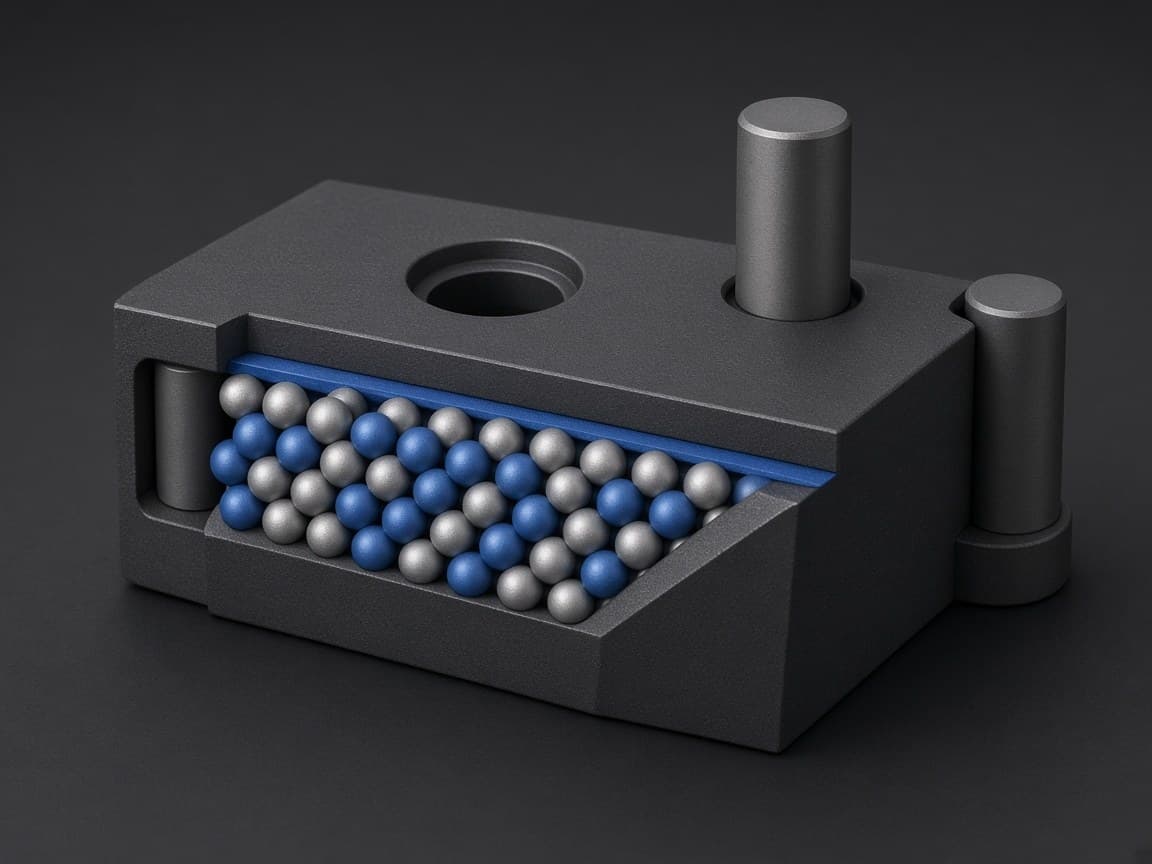
You describe the job. MS Lattice names the material.
“A coating for dry, high-speed machining. 28 GPa. 800 °C in air. Under $30 a kilo.”
Back came (Ti,Al)N and (Cr,Al)N, the coatings the industry runs on today, in the top five. No starting structure. Just the job.
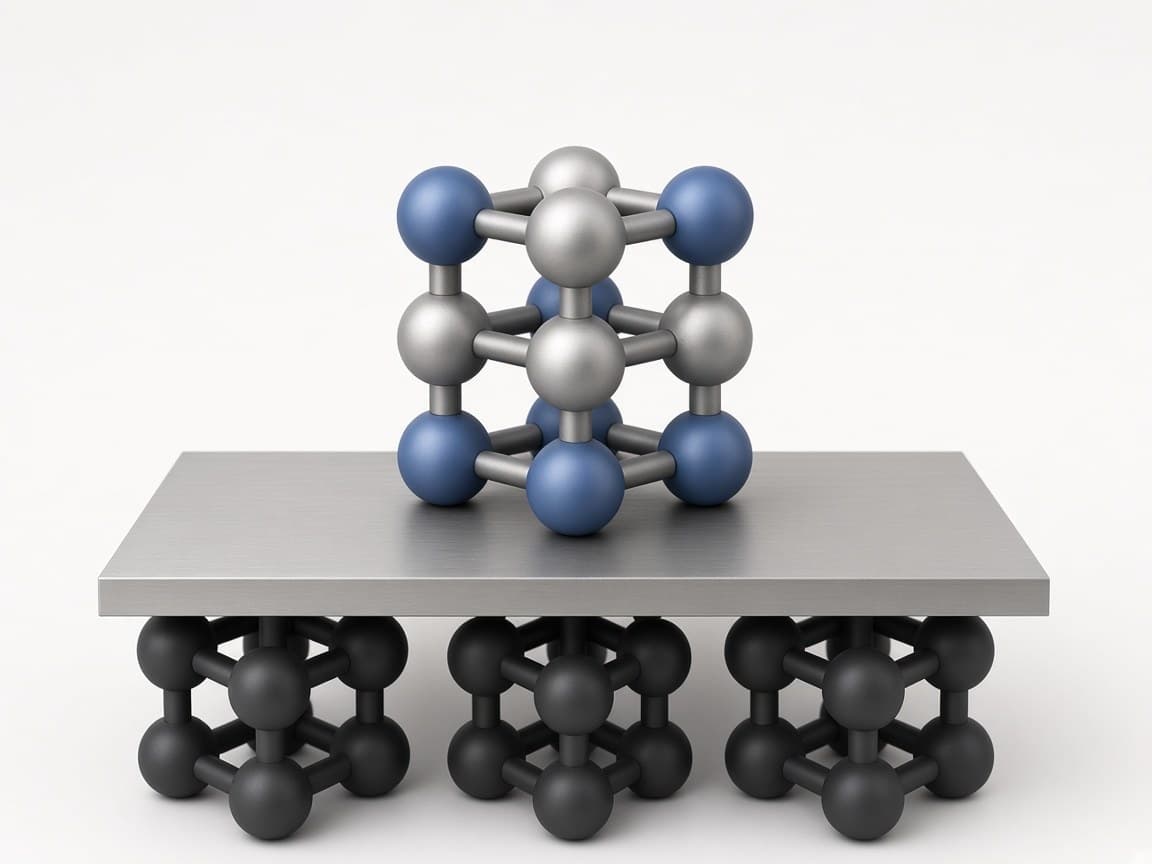
Verified by first principles.
Stability against every rival phase, elastic constants and phonons, on call. What holds is confirmed. What does not is caught before the lab.
- stability verdicts right
- 4 of 4
- silicon reference values reproduced
- 5 of 5
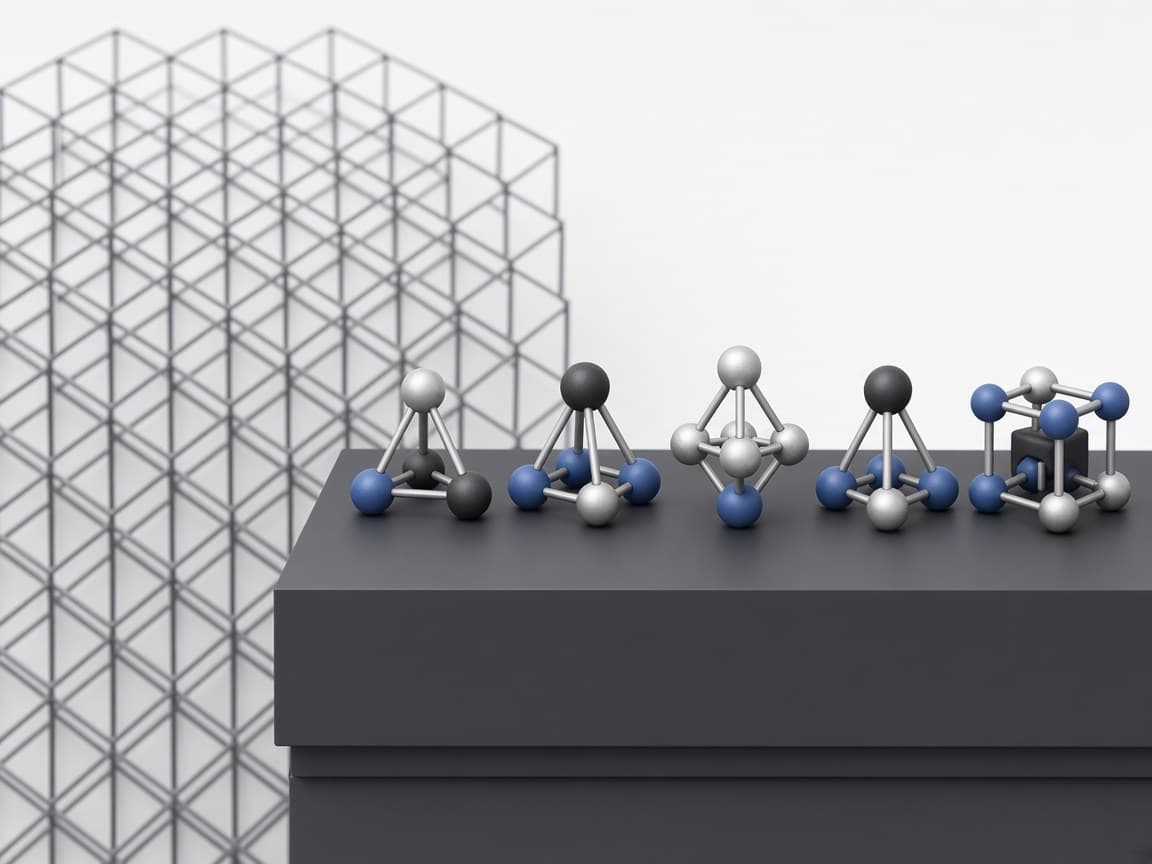
Hundreds of the right candidates, not millions of maybes.
Your requirements live inside the search. Proposals that break them are turned away before a structure is built, so compute goes only to contenders.
- of compute per candidate
- ≈ $0.003
One sentence in. A shortlist out.
Five steps from your words to a ranked shortlist, with the proof attached. A miss stops on the spot.
Step 1 of 5: Goal
It learns where to look next.
Runtime intelligence that gets sharper with every evaluation. Every round of the search goes where the last one’s proof points.
Guided by evidence
The next round goes where the proof points.
Inverse design
Start from the property. Arrive at the structure.
Diversity on purpose
Different strong answers, not one family of near-copies.
Requirements at runtime
Your limits live inside the search.
Four modes. One engine.
One engine, four kinds of question: from a target with nothing to start from to a benchmark whose answers stay sealed.
What the engine sees
Open Discovery
- You give it
- A domain, a goal preset or your own targets, and a budget.
- It does
- It searches the whole composition space.
- You get
- A ranked, diverse set of candidates, each with its record.
Best for: New materials, from the target alone.
Validation you can inspect.
A score is a claim. MS Lattice gives you the proof behind it: every candidate is judged in stages, and every check it passes stays on its record.
Step 1 of 5: Valid
The structure is valid.
Every verdict comes with its reasons.
Eleven material domains.
Batteries, magnets, coatings, catalysts, ceramics. Each domain speaks its own language of targets and limits. MS Lattice speaks all eleven.
Battery cathodes
More energy, less cobalt.
Layered NMC oxides · Layered NCA oxides · Spinel oxides · Polyanion frameworks · Sodium-ion layered oxides · Prussian blue analogues · Magnesium-ion spinels
Solid electrolytes
Fast ions, in a stable solid.
Garnets · NASICON-type conductors · Sulfides · Halides · Oxide-ion conductors · Proton conductors · Ceramic–polymer composites
Catalysis
From single active sites to whole surfaces.
Single-atom alloys · Alloy surfaces · Oxide-supported catalysts · Acid OER anodes · ORR alloys · CO₂ reduction surfaces
Magnets
More field, fewer rare earths.
High-performance NdFeB · Reduced-rare-earth NdFeB · Rare-earth-free MnAl · Hexaferrites · Iron–silicon · Iron–cobalt · Spinel ferrites
Photovoltaics
Absorbers for the next solar cells.
Halide perovskites · Double perovskites · Chalcohalides · Chalcogenide absorbers
Thermoelectrics
Waste heat, put to work.
Chalcogenides · Skutterudites · Half-Heuslers · Oxide thermoelectrics
High-entropy alloys
Strength from many elements.
Transition-metal alloys · Corrosion-resistant alloys · Lightweight alloys · Refractory alloys
Superconductors
Five families, one search.
Cuprates · Iron-based pnictides · Bilayer nickelates · MgB₂-type compounds · High-pressure hydrides
Thermal barrier coatings
Hotter engines, protected parts.
Stabilized zirconia · Rare-earth zirconates · High-entropy oxides · Environmental barrier coatings
Hard coatings
Harder, hotter, longer-lasting.
Nitrides and carbides · Diborides · MAX phases
Ultra-high-temperature ceramics
For the hottest places in flight.
Rock-salt carbides · Diboride composites · High-entropy carbides · High-entropy diborides
The usual pipeline, and MS Lattice.
Most AI discovery pipelines generate first and sort later. MS Lattice turns that around.
| Topic | The usual pipeline | MS Lattice |
|---|---|---|
| Your requirements | The usual pipeline: Checked after generation, as a filter | MS Lattice: Held inside the search, before a structure is built |
| What you get | The usual pipeline: Thousands to millions of structures to triage | MS Lattice: Hundreds of ranked contenders, each with its record |
| Preferences | The usual pipeline: Traded off by hand afterwards | MS Lattice: Pushed as far as they go, never at a must-have’s expense |
| The search | The usual pipeline: A fixed model, run once | MS Lattice: Runtime intelligence that gets sharper with every evaluation |
| Evidence | The usual pipeline: A score per structure | MS Lattice: Every check on every candidate, rebuildable: 73 of 73 |
Two ways to work.
License MS Lattice for your own team and agents, or let Norck take your target all the way to a finished part.
License MS Lattice
Your team. Your agents. Our engine.
Every domain, every mode, from your own AI agent over MCP, the REST API, the Python SDK or the command line.
License MS Lattice →Discovery with Norck
From a target to a finished part.
Norck runs MS Lattice, then synthesizes, validates and manufactures the winner, all the way to your finished part.
Discovery with Norck →
The latest from MatterSpace.
Launches, results and the ideas behind MS Lattice.
News2 min read
Norck launches AI-powered material discovery, powered by MS Lattice.
From a materials target to a finished part, under one roof.
Read the post →
Product2 min read
Your AI agent just became a materials scientist.
One connection, 120 tools, the whole chain.
Read the post →
Insight2 min read
Why 64 candidates beat 32 million.
The number of candidates was never the product.
Read the post →
The first of our discovery engines.
MS Lattice is the first of MatterSpace’s discovery engines. More are on the way, for every problem in science and engineering whose space of possibilities is too large to search one try at a time.
Stop guessing which crystal to make. Ask for it.
Tell us the domain and what the material must do. License MS Lattice for your team, or let Norck take the discovery all the way to finished parts.