

The AI you already use,
getting better as you work.
MS Duplex is a self-improving agent for science, research and engineering. It plugs into your AI over MCP, learns from every validated result and turns your team’s experience into an asset you own, not the model’s.
Exactness is its core promise. Keep your models, your tools, your data and the final say.
What MS Duplex has shown in controlled tests.
- more accurate than a model fine-tuned for the task, on recurring work, with no training run
- +16 pts
- fewer model calls than the fine-tuned model on that same work
- −89%
- answers about a changed fact gave the outdated value
- 0 of 8,640
- capabilities in one layer, working together
- 14
Figures from MatterSpace’s controlled tests of MS Duplex. A pilot measures what it does on your own work.
What MS Duplex is.
MS Duplex is the analytical AI beside the neural AI your team already uses. Your AI brings language, research and tool use; MS Duplex brings judgment from experience. It weighs what worked before, under which conditions and on how much evidence, and turns that into better plans, better decisions and better methods for the next run.
Today’s AI models stop learning on the day their training ends. Every new session starts from zero, the correction an expert made last week is gone, and a lesson your team paid for in compute and lab time has to be paid for again. With MS Duplex, what your team confirms is learned at once, kept with its evidence and the conditions it holds under, and applied wherever it fits.
It is also where your AI work accumulates. Results, decisions, corrections, plans, methods and their sources build up in MS Duplex, in a store your organization owns. Change the model, the agent or the vendor, and your team carries on exactly where it left off.
MS Duplex learns in any field: wherever your team runs experiments, simulations, analyses or design reviews with AI, it gets better with use.
Exactness is the core promise of MS Duplex.
Your AI brings flexibility. MS Duplex brings exactness: what your team has confirmed is applied exactly as confirmed, every time.
Exact recall
When a fact changes, the newest confirmed value applies. In our tests, 0 of 8,640 answers gave the outdated one.
Exact scope
A lesson applies where its conditions match. Where they differ, MS Duplex says so.
Exact edits
Correct or remove one lesson, and nothing else changes.
Exact sources
Every lesson points to the result or expert judgment it came from.
Exactness and flexibility together are the core promise of Neuro-Analytic AI, the research behind MS Duplex.
The missing layer in your scientific AI stack.
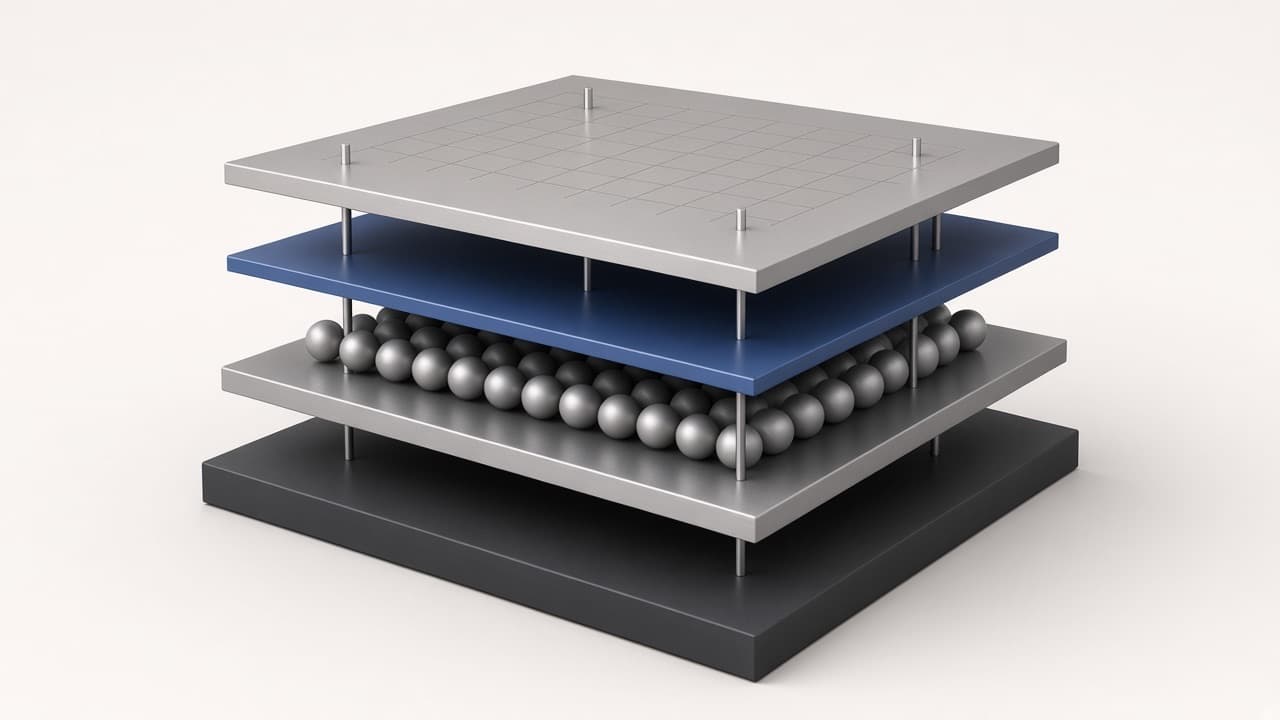
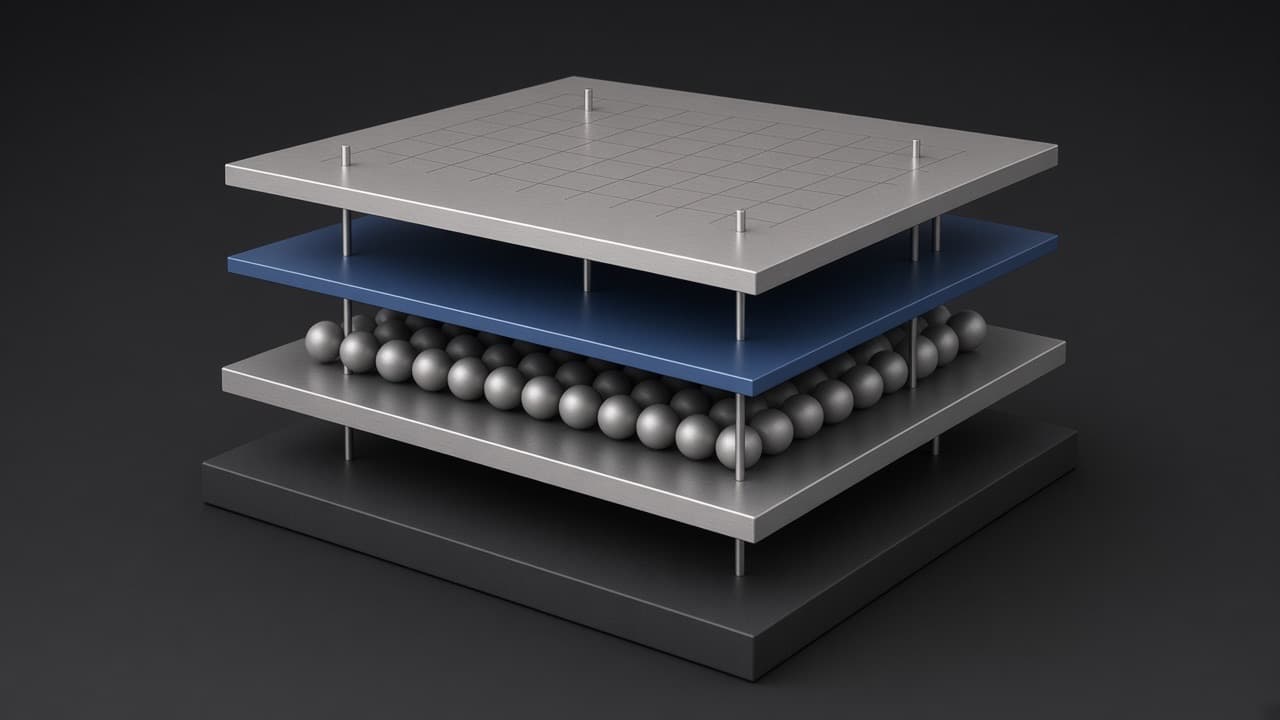
Your stack already has models that reason, tools that compute and systems that record. MS Duplex is the layer that learns from all of them and makes the whole stack improve with every run.
Your models
Reason through hard problems, and start every session from what they knew on the day their training ended.
Your tools and simulators
Compute, measure and test. Each run produces knowledge that your AI can reuse once something keeps it.
Your data and records
Store what happened: notebooks, results, reports. MS Duplex turns that record into experience your agents apply.
MS Duplex
Learns from confirmed outcomes, carries the work across sessions, agents and models, and keeps it all under your rules.
Why it matters now.
- Research agents now run campaigns that last days and weeks. Without a layer that keeps the plan, the evidence and the progress, every interruption costs the work.
- Teams change models every few months. Without a layer that owns the experience, every switch throws away what the last model was taught.
- Expert time is the scarcest resource in a lab. When a correction is learned once and applied everywhere it fits, your experts stop repeating themselves.
- Compute and lab time are expensive. When the AI remembers what failed and under which conditions, fewer runs are spent rediscovering it.
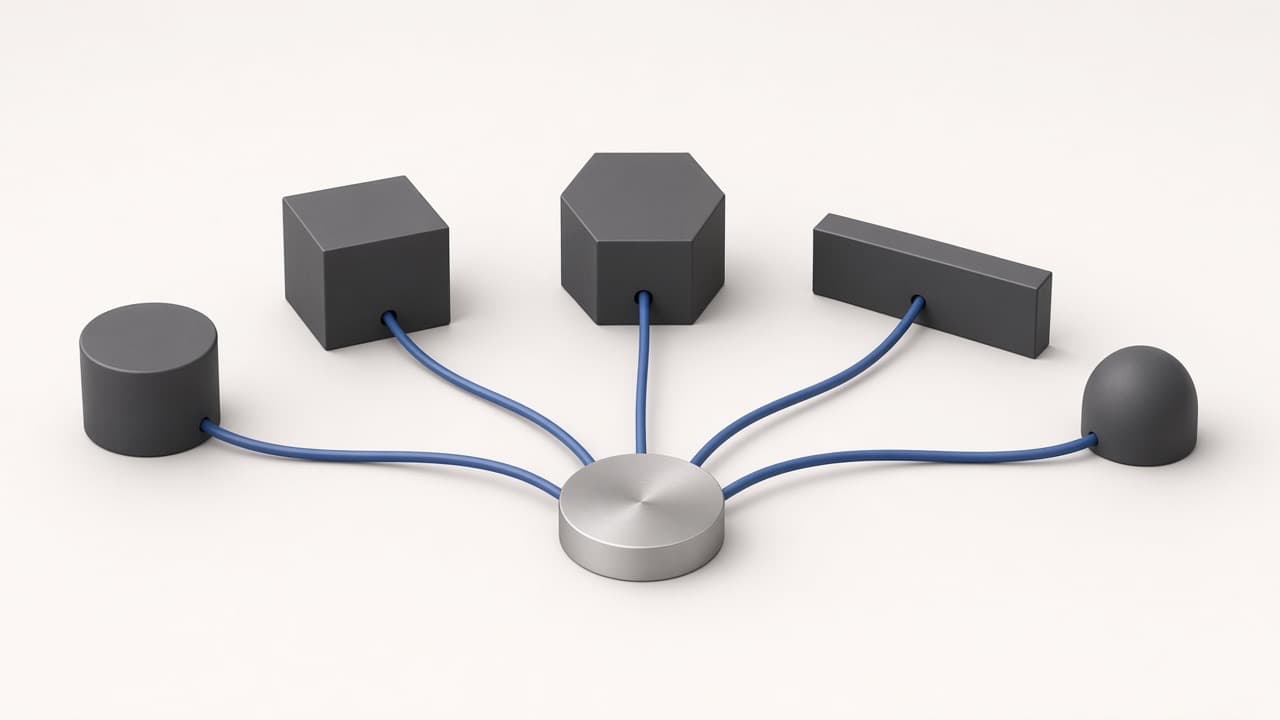
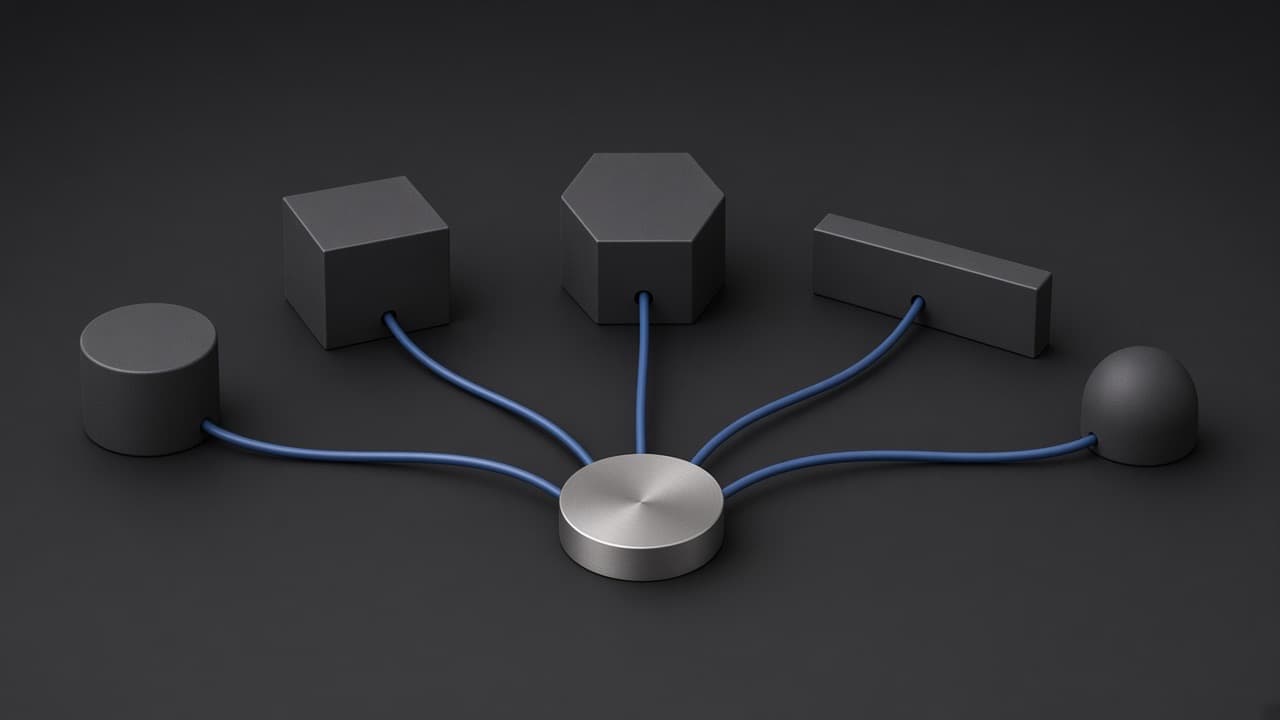
Plug MS Duplex into the AI your scientists and engineers already use.
Let it learn while you work. As your team works in Claude, Codex, Cursor or any agent that speaks MCP, MS Duplex learns from the outcomes and expert corrections you choose to capture. Keep your models and your scientific tools. Make the next run benefit from the last.
Your assistants
Connect Claude, Codex, Cursor and other agents that speak MCP, the open standard for giving AI agents tools. Your scientists and engineers keep the AI they know.
Your own agents and pipelines
Build MS Duplex into your own research agents and workflows through its API and Python SDK, with the same learning behind every one.
Standard connection
Your agent calls MS Duplex to bring back relevant experience, follow the plan and record the outcomes you allow. The fastest way to start.
Governed connection
In supported environments with hooks, the steps you select pass through MS Duplex, so your rules apply before a costly simulation or run begins.
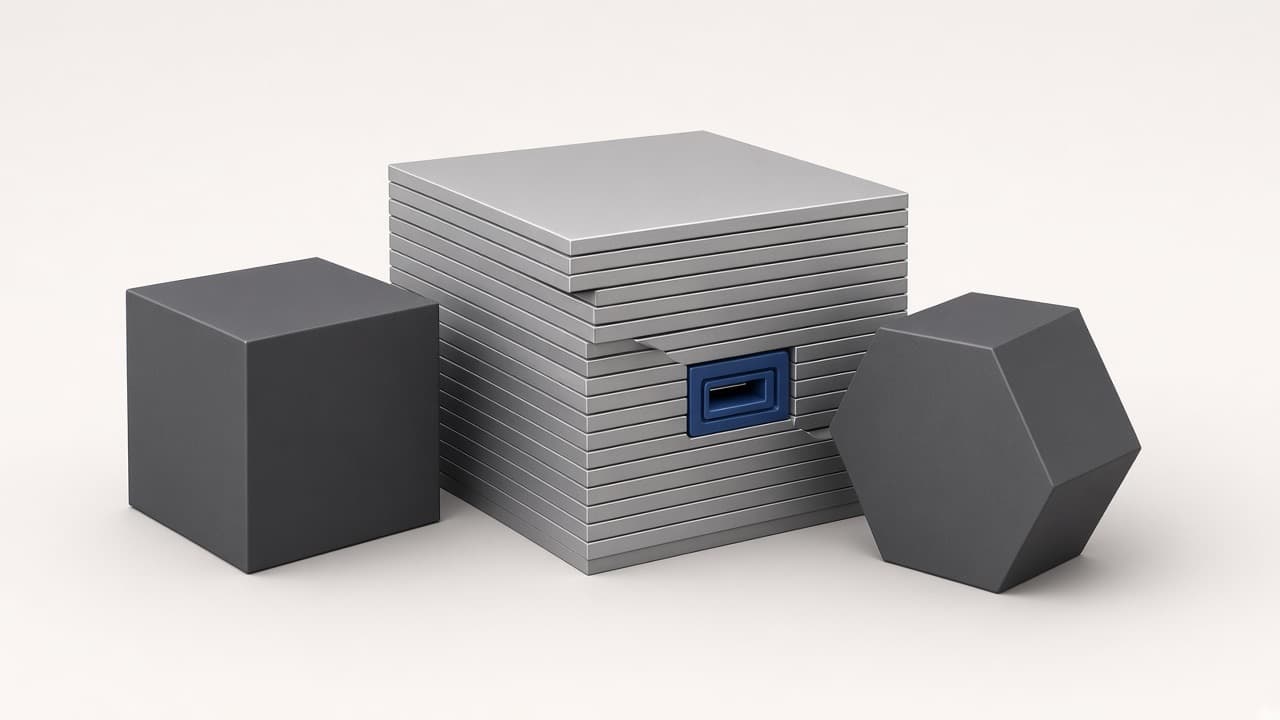
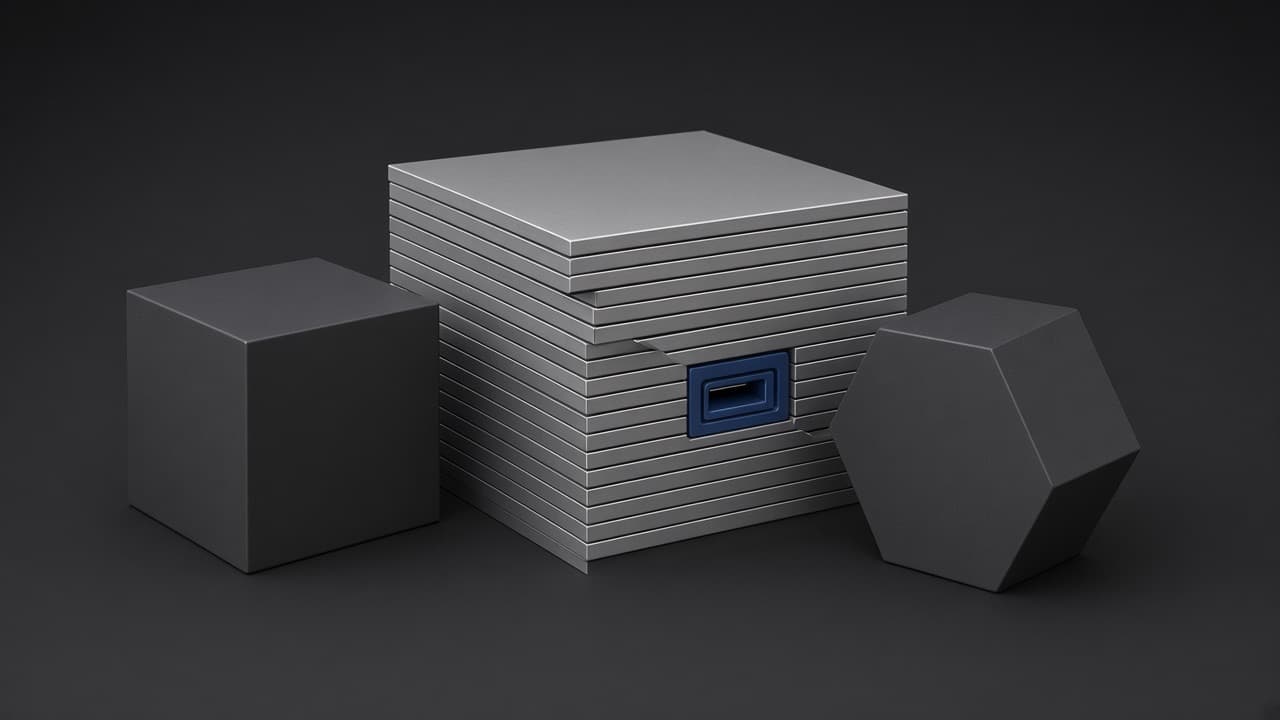
Own what your AI learns. Switch models and carry on.
Most of what your AI produces vanishes when a session ends, or ends up inside a model you don’t own. MS Duplex turns your team’s experience and knowledge into an asset your organization owns, ready for the next session, agent and model.
What accumulates
- Confirmed results, with the conditions they hold under
- Expert corrections, with the reason behind each one
- Decisions, with the evidence they rested on
- Verified methods your agents reuse and adapt
- Plans, checkpoints and progress on long campaigns
- Which tools worked, for which kind of problem
Across sessions
A new session starts from the current state of the work: the goal, the decisions, the approved methods and the progress.
Across agents
The agents you authorize pick up the same experience, so a colleague’s agent starts where yours left off.
Across models
Change the model, the client or the vendor, and the experience your team built stays with your team.
On record
Every item keeps its source, so anyone can see what the next step relies on and where it came from.
Fourteen capabilities. One self-improving layer.
Continual learning, self-improvement, long-horizon planning and research memory are not separate products to wire together. In MS Duplex they work as one, around your team’s goals, so every capability makes the others stronger.
Learn and improve
- 01
Continual learning
Learns from every confirmed result, from the next request on.
A test passes, a measurement comes back, an expert approves a conclusion: MS Duplex learns from it at once, beside your model and with its weights left as they are. A new lesson leaves everything learned before it intact, so your AI keeps growing without forgetting.
Read the full page →What your team gets
- Your AI keeps up with your research, every day it runs
- No training runs, datasets to prepare or accelerators to book
- Earlier lessons stay sharp as new ones arrive
- 02
Self-improvement
Your agents get better with every confirmed outcome.
What worked becomes the first thing your agents try. What failed stops being proposed. Each round of work makes the next one start further on, and every improvement is tied to the outcomes that justified it, so your team can see why the agent behaves better today than it did last month.
Read the full page →What your team gets
- Fewer repeated mistakes and wasted runs
- Agents that improve on their own between reviews
- A record of every change in behavior and its reason
- 03
Reusable methods
One verified result becomes a method your agents reuse and adapt.
When a procedure is confirmed to work, MS Duplex keeps it as a method: on the next case like it, the method is applied directly; on a related case, it is adapted and proposed for checking. From well-structured examples, MS Duplex can also build a reusable skill and test it on new examples before your team relies on it. Methods your team trusts are shared across people and agents, and each one is re-verified where it is used.
Read the full page →What your team gets
- Proven procedures applied consistently
- Know-how that stays when people move on
- New team members start with the team’s best methods
- 04
Learning cause and effect
Learns which action led to which outcome, under which conditions.
MS Duplex keeps the link between what was done, the conditions it was done under and what happened next, and judges from those results which action works under which conditions. It uses that evidence to choose the next experiment, and it tells your researchers when a link has not yet been established, so your team can always tell a finding from a hunch.
Read the full page →What your team gets
- Recommendations grounded in your own outcomes
- Clear separation of what is known from what is assumed
- Better choices of the next experiment or run
- 05
Tool learning
Learns which tool works for which problem, and feeds that into the next choice.
Your agents reach simulators, analysis code, databases and instruments through their own connections. MS Duplex learns from how each tool performed on each kind of problem, so the next choice of tool, setting or method is better informed than the last.
Read the full page →What your team gets
- Better tool choices with every run
- Your existing tools, used more effectively
- One view of what each tool is good for
Plan and decide
- 06
Long-horizon planning
Weeks-long campaigns stay one job, with plan and progress.
Give MS Duplex the goal rather than a script. It lays out the route, keeps the checkpoints and the evidence gathered at each one, and plans again when a result changes the picture. A pause, a hand-off or a new session costs a moment rather than the work.
Read the full page →What your team gets
- Multi-step research that reaches its goal
- Checkpoints your experts can review at any time
- Work that survives interruptions and hand-offs
- 07
Simulation before action
Plays the options forward before compute or lab time is spent.
Before a costly step, MS Duplex weighs the likely outcome of each option against the goal, using what your team has already confirmed. The options that cannot reach the goal are set aside early, and the budget goes to the runs most likely to move the work forward. A prediction stays a prediction until a result confirms it, so expected outcomes are never mixed up with observed ones.
Read the full page →What your team gets
- Fewer expensive runs that were never going to work
- Budget spent where it counts
- The reasoning behind every choice, on record
- 08
Solving new problems
Works out new cases from what is known, and checks first.
When a case is new, MS Duplex draws on the most similar cases your team has worked through and proposes a next step, saying where the similarity holds and where the new conditions call for more evidence. It assembles an approach from the methods and results your team has already confirmed, then checks it before anyone relies on it. Once the approach is verified, it becomes a method for the next case like it.
Read the full page →What your team gets
- Faster starts on unfamiliar problems
- New approaches checked before they are trusted
- Every solved problem adds to what the team can do
- 09
Decisions that know their limits
Settles what the evidence supports, and hands the rest to your model or a person.
MS Duplex decides directly where a learned method clearly applies, often with no model call at all. Where the evidence is thin or the case is unlike anything seen before, it hands the decision to your model or flags it for a researcher, with the reason. When the evidence is thin, it suggests the comparison most likely to reduce the uncertainty, so the next run teaches your team the most.
Read the full page →What your team gets
- Routine decisions made fast and consistently
- Hard calls routed to the right person
- Lower model costs on recurring work
Remember and govern
- 10
Research memory across sessions
Every session starts from the current state of the work.
The goal, the decisions, the approved methods and the progress carry into the next session as a compact picture of the work, with every source on record. Your agent picks up where the team left off, without replaying a transcript or asking the same questions again.
Read the full page →What your team gets
- The AI already knows the project
- Long projects that keep their thread
- Context focused on the current task
- 11
Freedom to switch models
Change models and carry on where you left off.
Because the experience lives in MS Duplex rather than in a model’s weights, a new model on a supported connection starts with everything your team has built. Choose the best model for each task, adopt a new release the day it ships, and keep the intelligence your research depends on as your own.
Read the full page →What your team gets
- No lock-in to one model or vendor
- Every upgrade starts fully informed
- The value of your AI work keeps compounding
- 12
Personal, team and organization layers
Each researcher, each team and the whole organization has its own layer of experience.
In supported configurations, a scientist’s or engineer’s own working habits stay personal and what a team confirms is shared with that team. What the organization adopts as standard applies everywhere. Your rules decide what moves between layers, and none of it is shared with another company.
Read the full page →What your team gets
- Learning that respects who should see what
- Team know-how shared by your rules
- One standard across the organization where you want it
- 13
Rules and approvals
Your rules come first, and the steps you choose wait for a person.
Rules and preferences are kept apart and always visible in the reasoning. In governed environments, a step that breaks a rule is stopped before it runs, and the steps you select, such as an expensive simulation or a change to shared data, wait for approval. A new rule applies from the next request.
Read the full page →What your team gets
- Costly steps checked before they start
- Approvals on record, with who approved what
- Rules that change today, with nothing to retrain
- 14
Provenance, review and unlearning
Every lesson keeps its source and can be corrected or removed.
Each piece of experience shows where it came from and what it rests on, in one history your team can review and export. Another researcher can rebuild a decision from the record. Correct a lesson and only that lesson changes; remove it and the recommendations that depended on it go with it, while everything else stays.
Read the full page →What your team gets
- Decisions another researcher can reproduce
- Mistakes fixed precisely, without side effects
- A complete, exportable history of the work


How MS Duplex makes your agents better, every day.
The loop is the same in every field. Your team keeps doing the work. MS Duplex makes sure what your team confirms is learned once and used from then on.
- 1
Work
Your agent works through your tools as it does today: it plans, runs simulations, analyzes data and proposes the next step.
- 2
Confirm
A test, a measurement or an expert confirms the result, or corrects it and says why.
- 3
Learn
MS Duplex turns the confirmed outcome into experience: a method, a correction, a condition, each with its evidence.
- 4
Apply
The next matching case, in any session, agent or model, starts from that experience. Where conditions differ, MS Duplex flags it.


Why MS Duplex beats fine-tuning.
Fine-tuning bakes knowledge into one model’s weights, one training run at a time. MS Duplex learns from the next confirmed result, beside any model, and keeps every lesson editable. In our controlled tests it came out ahead of a model fine-tuned for the task, with no training run at all.
| Fine-tuning | MS Duplex | |
|---|---|---|
| Learns from | Fine-tuning: A prepared dataset and a training run | MS Duplex: One confirmed result or one expert correction |
| Ready | Fine-tuning: After the next training cycle | MS Duplex: From the next request |
| A new lesson | Fine-tuning: Can wear down what the model already knew | MS Duplex: Leaves everything else as it was |
| Changing one thing | Fine-tuning: Another training run | MS Duplex: Correct or remove that one lesson |
| A new model arrives | Fine-tuning: Start again | MS Duplex: The experience comes along |
| Where it came from | Fine-tuning: Hard to trace | MS Duplex: Every lesson keeps its source |
- more accurate than the fine-tuned model on recurring work
- +16 pts
- fewer model calls on the same work
- −89%
- training runs
- 0
Fine-tuning keeps its place for changing what a model knows across the board. MS Duplex works beside a fine-tuned model as well as a general one, and makes either of them learn from your work.
More than memory files and retrieval.
A notes file such as claude.md or agents.md holds what someone wrote down. Retrieval finds passages that look similar. MS Duplex learns what worked, decides where it applies and keeps it current as your research moves on.
| Memory files | Retrieval (RAG) | MS Duplex | |
|---|---|---|---|
| What it keeps | Memory files: Notes someone wrote by hand | Retrieval (RAG): Passages that look relevant | MS Duplex: Confirmed outcomes, methods and decisions, with their evidence |
| How it learns | Memory files: When someone edits the file | Retrieval (RAG): When documents are added | MS Duplex: From every confirmed result and correction, as you work |
| When a fact changes | Memory files: The old line stays until someone deletes it | Retrieval (RAG): Old and new versions both come back | MS Duplex: The newest confirmed value applies, with the history kept |
| Deciding what applies | Memory files: The model rereads it all and judges | Retrieval (RAG): Similar text, whether it applies or not | MS Duplex: Checks whether the conditions match, then applies, adapts or flags |
| Improving the agent | Memory files: Only as good as the last edit | Retrieval (RAG): Finds more, learns nothing | MS Duplex: Changes what your agents check, try and decide next |
- stale answers after facts changed: MS Duplex beside standard retrieval, in our controlled tests
- 0% vs 57%
Engineered for how research works.
Science has demands that general business AI never meets: results that hold only under certain conditions, evidence that must be traceable, and decisions that must be reproducible. MS Duplex was designed around them from the start.
Conditions travel with results
A result is kept with the conditions it was confirmed under, and is applied only where those conditions match.
Evidence first
Every lesson points to the result, measurement or expert judgment it came from.
Reproducible decisions
Another researcher can rebuild any decision from the record and check it for themselves.
Experts in the loop
A scientist’s or engineer’s correction becomes learning at once, and your scientists and engineers decide what is adopted.
Knowledge that moves on
A new measurement supersedes the old one, and the history of what changed is kept.
Campaigns, not chats
Work that spans weeks, people and tools stays one campaign with one plan and one record.


A week of research with MS Duplex.
A representative illustration of how a team works with MS Duplex, in any field where an AI agent helps evaluate candidates, methods or designs. It shows typical events and reports no measurements.
- 1
Monday: an expert corrects the agent
A scientist or engineer sees the agent rank a candidate with a method that fails beyond a known operating limit. She corrects it and records why. MS Duplex keeps the correction with its evidence and its conditions.
- 2
Wednesday: a method stops holding
A colleague’s agent, on a different model, applies a method that worked under earlier conditions, and under a new condition the result does not match. MS Duplex shows the most similar earlier case and proposes a comparison that could tell the two likely explanations apart.
- 3
Thursday: a costly run is checked
Before an expensive simulation starts, a governed check finds a required reference missing. The step waits for approval, and the approval goes on record.
- 4
Friday: the decision is reproduced
A third researcher rebuilds the week’s decision from the record and reaches the same conclusion, with every source in view.
Your research experience stays yours.
What MS Duplex learns from your work is your organization’s asset, governed by your rules and visible to your team.
Yours to keep
The experience your team builds is your asset, not the model’s, whichever model or vendor you use.
Layers you control
Personal, team and organization layers, with your rules deciding what is shared, and nothing shared with another company.
Access by scope
People and agents reach only the experience their scope allows, and permissions stay with your controls.
An audit record
A signed history of what was learned, used and approved, ready to review and export.
Review, correct, remove
Your team can inspect any lesson, correct it, remove it or restore it.
Set up with your security team
Where MS Duplex runs and how your data is handled are agreed with your security and data owners from the first conversation.
Start with a pilot on your own work.
Judge MS Duplex on the decisions your team makes again and again. A pilot runs on your work, beside your current setup, and is judged by your experts.
- 1
Choose the work
Pick recurring research workflows where decisions repeat and a wrong or unnecessary run is expensive.
- 2
Agree the measure
With your experts, before anything runs: the cost of each accepted, reproducible result, and the expert time it takes.
- 3
Run it side by side
The same model, tools, data and budget, with and without MS Duplex, and with a governed connection where it fits.
- 4
Judge it blind
Your experts score the results without knowing which setup produced them.
Common questions about MS Duplex.
Make the next run benefit from the last.
Bring us the research your AI should get better at. We will plan a pilot on your own workflows, with your experts as the judges.